
Mina Park
Editorial byline
Mina Park is an editorial byline for Farm to Recipes, with a focus on The Kitchen, The Toolkit. Biographical credentials and external profiles are published only after verification.
Learn more about our editorial process and use of automation in our AI & Automation disclosure.
Coverage Areas
Latest Articles
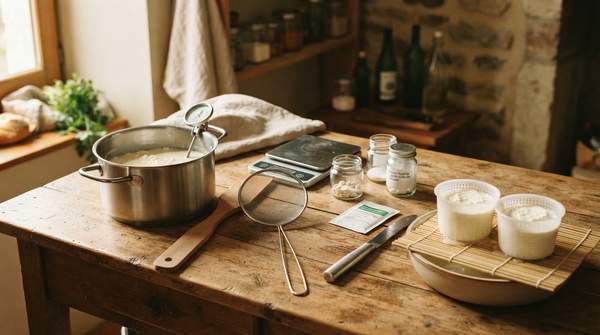
Essential Cheesemaking Tools: What You Really Need to Make Cheese at Home
You can start making cheese at home with a handful of tools you almost certainly already own. This guide separates the must-have equipment, like a pot, thermometer, and draining cloth, from nice-to-have upgrades, helping beginners start confidently.
Oct 30, 2026 · 5 min read
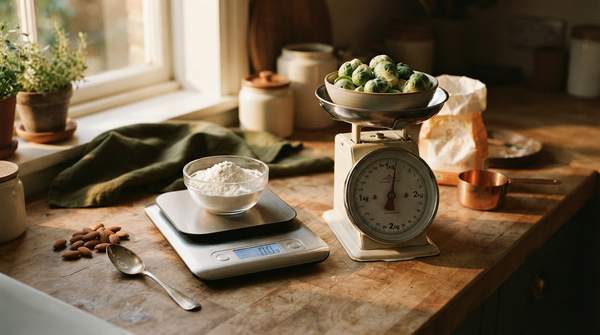
Digital or Analog? Matching Your Kitchen Scale to the Way You Actually Cook
Choosing between a digital and analog kitchen scale depends on your cooking needs, with digital scales offering precision and features like tare function, while analog scales provide simplicity and durability.
Oct 30, 2026 · 4 min read
Four Heritage Wheat Flours Every Home Baker Should Know: Turkey Red, White Sonora, Amber Eden, and English Redhead
Discover four heritage wheat flours—Turkey Red, White Sonora, Amber Eden®, and English Redhead™—and learn how their gluten strength and flavor profiles suit different baking needs, from robust breads to delicate pastries.
Oct 28, 2026 · 5 min read
Natural Food Coloring for Baking: Choosing Between Beetroot, Turmeric, and Spinach
Color frosting or cake batter with plant-based ingredients, balancing color intensity, flavor, and dye form. This guide explores beetroot, turmeric, and spinach, detailing methods and a comparison chart for choosing the right natural dye for your baking projects.
Oct 27, 2026 · 4 min read
From Balsamic to Cane: Choosing the Right Vinegar for the Dish in Front of You
This guide helps home cooks select the right vinegar by matching its distinct flavor profile and acidity to specific culinary uses, from pickling to deglazing.
Oct 27, 2026 · 4 min read
Why Cast Iron Seasoning Works: The Polymerization Science Behind a Durable, Non-Stick Pan
Cast iron seasoning is a chemical process where heat transforms oil into a durable, plastic-like polymer layer bonded to the pan. Understanding the science of polymerization, oil properties, and proper technique ensures a non-stick, long-lasting finish.
Oct 26, 2026 · 6 min read
Mason Jar or Airlock? Choosing the Right Vessel for Home Vegetable Fermentation
For small-batch vegetable fermentation at home, the choice is between a plain Mason jar you manually "burp" or one fitted with an airlock for automated gas release. Both methods can yield safe, successful ferments, with the trade-off being cost and simplicity versus reliability and less daily attention.
Oct 26, 2026 · 5 min read
Butter, Shortening, or Oil? How Your Fat Choice Decides Your Bake's Texture
The choice of baking fat—butter, shortening, or oil—fundamentally determines the texture of your baked goods, influencing flakiness, tenderness, moistness, and density. Understanding how each fat interacts with flour and air allows you to select the perfect fat for your desired outcome.
Oct 25, 2026 · 4 min read
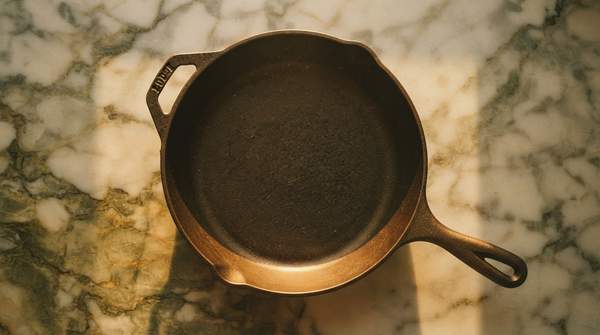
Why Cast Iron Gets Sticky, Flaky, and Rusty—and the Polymer Chemistry That Fixes It
Cast iron's non-stick seasoning is a polymerized layer of oil, not a coating, formed by fat molecules linking into a hard, plastic-like film. Understanding this polymer chemistry is key to diagnosing and fixing common problems like stickiness, flaking, and rust, and maintaining a durable cooking surface.
Oct 24, 2026 · 5 min read
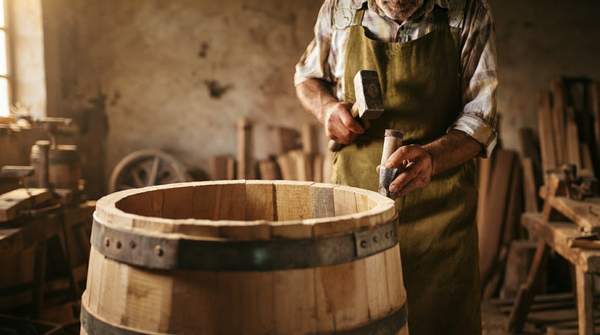
Choosing the Right Fermentation Vessel: Mason Jars, Ceramic Crocks, Airlock Jars, and Wooden Barrels Compared
Choosing the right fermentation vessel is key to successful lacto-fermentation. This guide compares Mason jars, ceramic crocks, glass airlock jars, and wooden barrels based on batch size, oxygen control, and maintenance.
Oct 24, 2026 · 5 min read

Digital or Analog? Choosing the Kitchen Scale That Matches How You Cook
For most home cooks, especially bakers, a digital kitchen scale is the better choice due to its precision, unit conversion, and tare function. However, analog scales remain useful for heavy-duty, battery-free weighing where extreme accuracy isn't critical.
Oct 22, 2026 · 4 min read
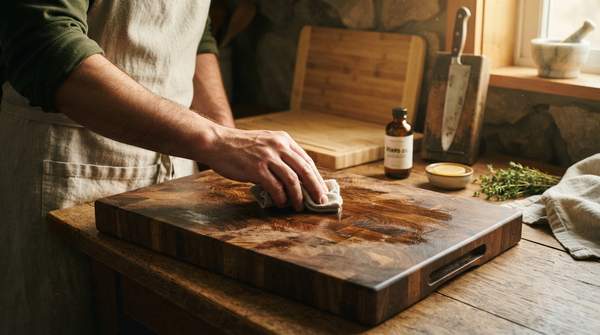
Choosing and Caring for a Wooden Cutting Board: Hardwood vs. Bamboo, and the Care Routine That Keeps Either One Alive
Choosing a wooden cutting board involves weighing hardwood vs. bamboo, considering knife care, durability, cost, and sustainability. A simple three-stage care routine—initial seasoning, daily washing, and monthly re-oiling—is essential for longevity and hygiene.
Oct 20, 2026 · 4 min read
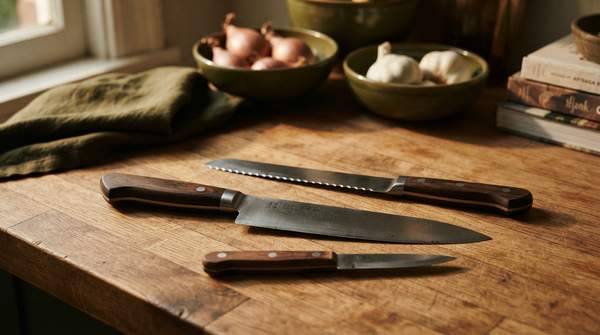
Three Knives, Every Task: A Home Cook's Guide to Chef's, Paring, and Serrated Blades
Home cooks can master most kitchen tasks with just three essential knives: a chef's knife for chopping and slicing, a paring knife for detail work, and a serrated knife for items like bread and tomatoes. Understanding each blade's purpose ensures efficiency and confidence in food preparation.
Oct 19, 2026 · 5 min read
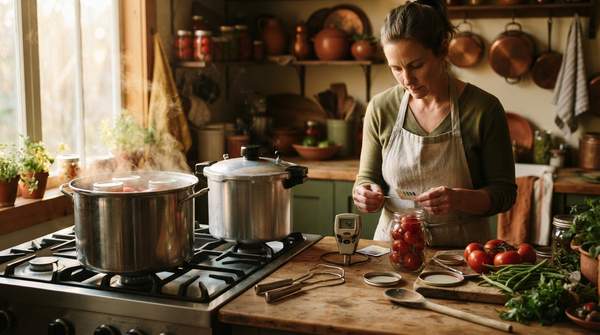
Acidity Decides: How to Choose Between Water Bath and Pressure Canning
The acidity of food, measured by pH, is the sole determinant for choosing between water bath and pressure canning. High-acid foods (pH 4.6 or lower) can be safely processed in a boiling water bath, while low-acid foods (pH above 4.6) require the higher temperatures of a pressure canner to destroy botulism spores.
Oct 18, 2026 · 5 min read

Sharpness or Sturdiness: How to Pick the Right Sharpening Angle for Your Kitchen Knives
Every knife edge is a compromise between sharpness and durability, determined by its geometry. Understanding sharpening angles allows you to choose the optimal degree for each kitchen knife based on its intended use, balancing slicing ability with resilience.
Oct 17, 2026 · 5 min read
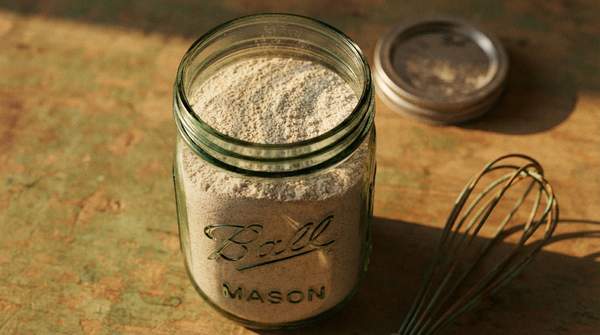
Why No Single Gluten-Free Flour Works Alone—and How to Blend One That Does
Gluten-free baking succeeds by blending flours based on function—protein-rich for structure and starch-rich for tenderness—as no single GF ingredient replicates wheat gluten's dual role. This guide offers a framework for creating effective blends for breads, cakes, and cookies.
Oct 15, 2026 · 5 min read
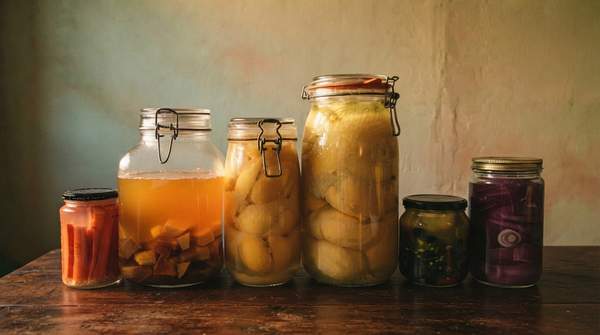
How Vegetable Fermentation Works: The Bacterial Relay That Preserves Your Produce
Vegetable fermentation is a sequential bacterial relay where different groups of lactic acid bacteria convert sugars into acids, gases, and alcohol. This process, driven by specific microbial stages, leads to preservation and develops complex flavors in produce.
Oct 14, 2026 · 4 min read
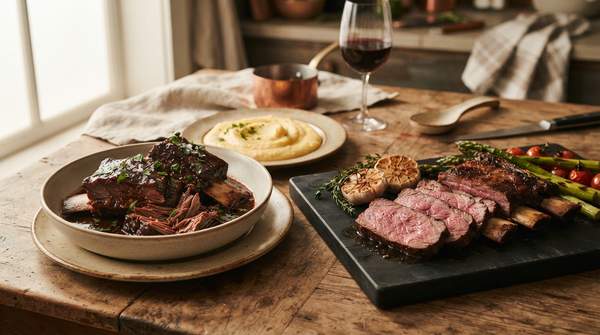
Braised or Sous-Vide? Choosing the Right Short Rib Method for the Texture You Want
Discover how braising and sous-vide methods yield distinct textures for short ribs, from classic fall-apart tenderness to a juicy, steak-like bite. Your choice depends on desired texture, available time, and the specific cut of meat.
Oct 14, 2026 · 5 min read
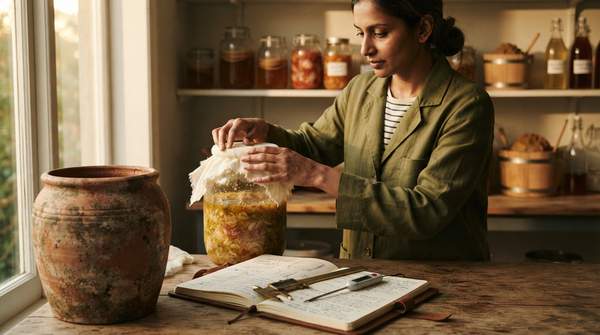
From Ancient Accident to Modern Science: The Enduring Story of Fermentation
Fermentation is an ancient food preservation technique that has been practiced globally for millennia, evolving from accidental discovery to deliberate tradition before its microbial basis was scientifically understood. This process transformed perishable harvests into stable foods and continues to be a vital part of human civilization and cuisine.
Oct 10, 2026 · 5 min read
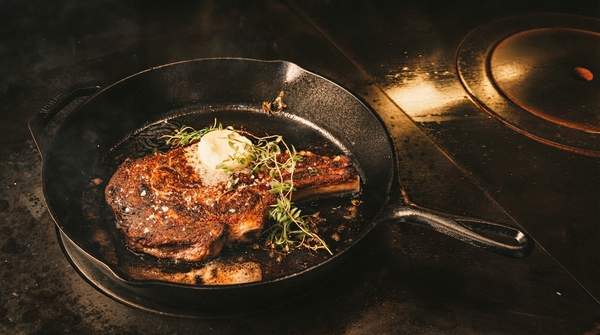
Mastering the Maillard Reaction for Enhanced Home Cooking
The Maillard reaction is a fundamental chemical process responsible for the rich flavors and appealing browning in many foods. Understanding and manipulating key variables like temperature, pH, and moisture allows home cooks to intentionally develop desired flavors and colors.
Oct 1, 2026 · 5 min read