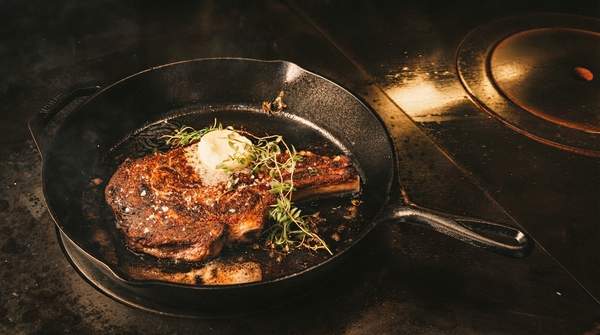
The Maillard reaction is a fundamental chemical process in cooking, responsible for the rich, complex flavors and appealing browning in many foods. Often mistakenly described as just "browning," this reaction is a complex series of interactions between amino acids (the building blocks of proteins) and reducing sugars, producing hundreds of new flavor compounds and colors that are rarely found in raw ingredients, as noted by Modernist Cuisine. Understanding how to manipulate key variables like temperature, pH, moisture, and the specific types of amino acids and sugars present allows home cooks to intentionally develop desired flavors and colors across a wide range of dishes.
This chemical transformation is, by far, the most widely practiced chemical reaction in the world, according to chemistry Nobel Prize winner Jean-Marie Lehn, as reported on Wikipedia. It is the secret behind the savory crust on seared meats, the golden hue of baked goods, and the deep notes in roasted coffee and fried onions. By mastering its principles, you can elevate your everyday cooking from good to extraordinary, transforming raw ingredients into dishes with profound depth of flavor.
Temperature and Moisture: The Catalysts of Flavor
Temperature is a critical factor in initiating and controlling the Maillard reaction. The reaction generally requires temperatures above a certain threshold, often cited around 140°C (285°F), with higher temperatures accelerating the process. For instance, searing meat at high heat is crucial for developing a flavorful brown crust. However, there is a fine line: exceeding approximately 180°C (355°F) can lead to pyrolysis, or burning, which produces bitter, black compounds and may even be carcinogenic, according to Modernist Cuisine. This means precise temperature control is vital to achieve desirable browning without undesirable charring.
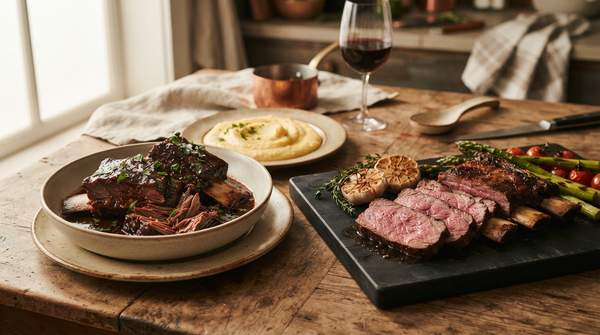
Moisture content also plays a significant role in the Maillard reaction. The reaction is inhibited by high water activity, meaning a dry surface is essential for effective browning. When searing meat, patting it thoroughly dry before cooking helps achieve that desirable crisp, brown crust. If the surface is too wet, the energy goes into evaporating the water rather than heating the surface sufficiently for the Maillard reaction to occur. Similarly, in baked goods, surface drying during the baking process allows the Maillard reaction to proceed effectively, contributing to the formation of a crisp, flavorful crust. Controlling moisture ensures the reaction proceeds efficiently, leading to optimal flavor and color development.