The simple act of composting transforms everyday kitchen scraps and yard trimmings into a dark, earthy, and nutrient-rich amendment for your garden. It is a rewarding process that reduces household waste and enriches the soil, creating a virtuous cycle in your own backyard. The best method for your home, however, depends entirely on your living situation. Key factors like available outdoor space, the amount of time you can commit, and the type of waste you produce will determine whether a traditional pile, a compact wormery, or a simple in-ground trench is the right fit. Understanding the distinct requirements and benefits of each approach is the first step toward creating a successful and sustainable home composting system.
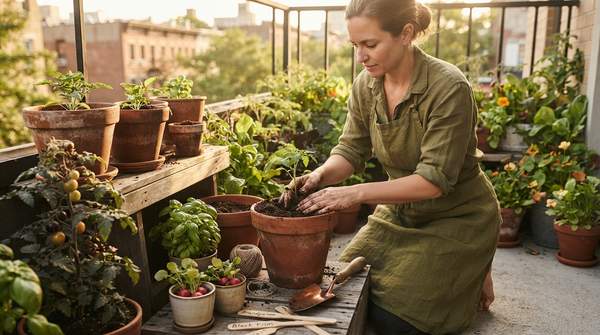
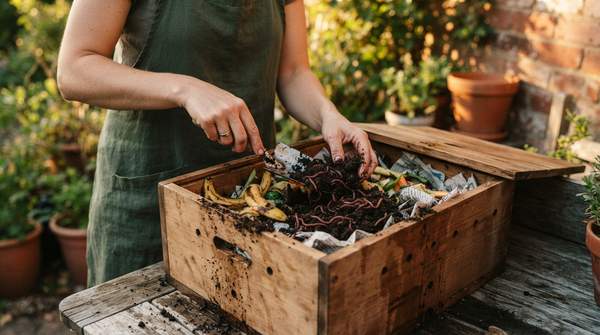
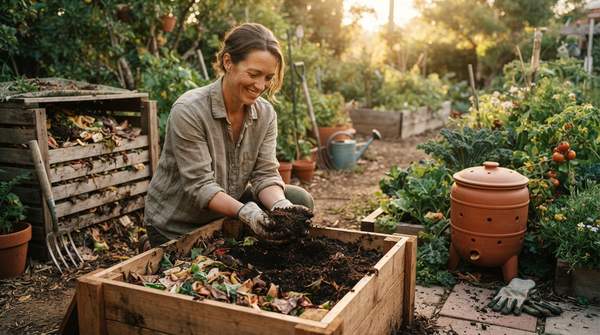
For those with a yard, an outdoor pile or bin provides a classic and effective way to process both kitchen and garden waste. Apartment dwellers or those with limited space might find that a self-contained and odorless worm bin is a perfect solution for recycling food scraps indoors or on a balcony. For the active gardener looking for maximum efficiency with minimal fuss, trench composting offers a low-effort method that delivers nutrients directly into the garden soil. Each system has its own rhythm and demands, making the choice a personal one based on your specific needs and resources.
Home Composting Method Decision Framework
Selecting the most suitable composting system begins with an honest assessment of your home environment and lifestyle. The primary constraints that guide this decision are the physical space you have available, the level of effort you are willing to invest, and the kinds of organic materials you generate most often. The following framework evaluates common home composting options against these criteria to help you identify the method that best aligns with your circumstances.
| Method | Best for (Space) | Effort Level | Composts (Waste Type) | Key Considerations |
|---|---|---|---|---|
| Backyard Pile/Bin (Cool Composting) | Ideal for homeowners with a yard or dedicated outdoor space. | Low to moderate. Requires occasional turning to aerate and monitoring for moisture. Wire bins are noted as being easy to make and portable. | Processes a mix of kitchen scraps (greens) and yard waste like leaves and twigs (browns). | This is the most traditional method. Starting the pile on bare earth allows beneficial organisms to enter from the soil. |
| Vermicomposting (Wormery) | Excellent for apartments, balconies, and small spaces. Can be kept indoors or outdoors. | Low. Involves setting up a ventilated bedding bin and regularly adding plant-based food scraps for the worms to process. | Primarily processes kitchen waste and plant-based food scraps. Meat and dairy should be excluded. | Worm bins are compact and do not smell, according to Garden Organic. They produce both solid compost and a nutrient-rich liquid feed for plants. |
| Trench Composting | Suited for gardeners who want to enrich specific planting areas or garden rows directly. | Very low. Requires digging a trench or holes, but no turning or bin maintenance is needed afterward. | Best for kitchen scraps, which are buried directly in the garden. | Waste is added to a trench about a foot deep and covered with soil, allowing it to decompose in place and feed the soil directly. |