If you dream of a garden where destructive insects are managed without toxic sprays, the solution may be closer than you think. By cultivating a balanced ecosystem, you can attract an army of beneficial insects—allies that are likely already in your area—and let them do the pest control work for you. This approach, central to design systems like Permaculture, mimics nature to create a resilient garden that relies on its own internal systems. Not all bugs are bad for the garden; the key is to invite the "good bugs" that prey on the ones that damage your plants.
The Power of a Living Garden Ecosystem
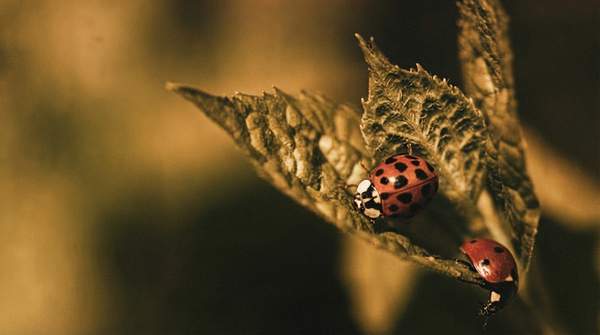
A garden teeming with beneficial insects is a dynamic, self-regulating environment. Unless you regularly use broad-spectrum insecticides, these helpful creatures are already more active than you probably realize, according to Penn State Extension. They generally fall into two categories: predators and parasitoids. Predators are the more familiar hunters, like lady beetles, that consume various garden pests. Parasitoids, on the other hand, employ a more intricate strategy. These are often tiny wasps or flies that lay their eggs in or on a host insect.
When the eggs hatch, the larvae consume the host from the inside, eventually killing it. A common sign of this process is the presence of "mummies"—the swollen, tan-colored remains of aphids left behind after a new adult parasitic wasp has emerged from the aphid's body. According to Oregon State University's Extension Service, building a habitat that supports these complex life cycles is far more effective for long-term pest control than purchasing and releasing commercial insects, which may not survive without the specific conditions they need.
Meet Your Garden's Allies
Getting to know your garden's most valuable defenders is the first step toward inviting them in. Many are easily recognizable, like lady beetles, but others are masters of disguise. Some of the most effective parasitic wasps are smaller than the period at the end of this sentence, while certain beneficial flies closely resemble common houseflies. Understanding the needs of a few key groups can transform your approach to pest management, turning your garden into a sanctuary for these essential allies.
Beneficial Insect Quick Reference Guide
| Beneficial Insect | Target Pests | Attractor Plants (for adults) | Habitat Needs (for larvae/overwintering) |
|---|---|---|---|
| Parasitic Wasps | Aphids. Aphidid wasps, a type of braconid wasp, leave behind distinctive tan, swollen "mummies" after the new adult wasp emerges. | Adults feed on pollen and nectar from plants with small, flat-topped flowers, such as those in the carrot family: dill, parsley, cilantro, and Queen Anne's lace. | Larvae develop inside their host insects, so a population of pest insects is required for their survival. |
| Lady Beetles | Various garden pests. | Adults are attracted to plants in the Aster family. | They require permanent plantings for shelter, overwintering in turf, clumps of native grasses, or under leaf litter. |
| Tachinid Flies | A wide range of pests, including caterpillars (such as leafrollers and cutworms), beetles, grasshoppers, and true bugs. | Adults feed on insect honeydew and the nectar of small, open blossoms like dill and cilantro. | They typically overwinter as mature larvae inside a host insect or as pupae in the soil or leaf litter. |