At a small community garden, a single row of marigolds dramatically reduced aphid infestations on nearby tomato plants, illustrating a centuries-old gardening secret now backed by science. This simple pairing, a cornerstone of effective companion planting, protects vulnerable crops, fostering a healthier microenvironment without chemical interventions. Such intricate biochemical interplay confirms companion planting is not merely placing plants together; it is a dynamic ecosystem interaction.
Companion planting is often seen as simple folk wisdom, but scientific studies reveal its complex, sometimes counterintuitive, impacts on soil biology and plant interactions. Gardeners frequently employ these methods based on tradition, yet the underlying mechanisms involve sophisticated alterations within the soil.
Home gardeners who understand the scientific underpinnings of companion planting can leverage its benefits more effectively, moving beyond anecdotal advice to truly optimize their garden ecosystems. This approach allows for a more targeted and impactful application of these natural strategies.
More Than Just Good Neighbors: Defining Companion Planting
Companion planting is the practice of growing different plants in close proximity for mutual benefit, improving soil health, managing pests, and enhancing plant productivity, according to companion planting: myth or truth? This strategic method allows gardeners to maximize space, enrich soil, and naturally control unwanted insects.
The benefits extend beyond mere coexistence. Strategic plant pairings deter specific pests, attract beneficial insects, or even improve the growth and flavor of adjacent crops. Fundamentally, companion planting is a strategic approach, leveraging natural plant interactions to forge a more robust and productive ecosystem, directly empowering the home gardener.
The Hidden World Below: Soil Science and Microbial Networks
Companion planting significantly increased the activities of soil urease and sucrase but decreased catalase activity in pepper monoculture, according to influence of companion planting on microbial compositions and networks in pepper monoculture Urease breaks down urea into ammonia, a nitrogen source, while sucrase hydrolyzes sucrose. Catalase, an enzyme that breaks down hydrogen peroxide, saw reduced activity. This selective enhancement of some enzyme activities and reduction in others confirms companion planting as a precise biochemical intervention, not a broad-spectrum booster. It demands a nuanced understanding beyond simple 'good for soil' claims.
Beyond enzymes, companion planting changed soil microbial community structures and compositions, and weakened the complexity of microbial networks, according to influence of companion planting on microbial compositions and networks in pepper monoculture While overall microbial diversity can enrich, the interconnectedness or robustness of the microbial network might be reduced. This implies a more specialized, rather than universally resilient, ecosystem. Gardeners are not merely adding plants; they actively engineer a more specialized, albeit potentially less resilient, soil ecosystem. Detailed scientific observations reveal that companion planting fundamentally alters the subterranean environment, fostering a healthier soil microbiome through complex, dynamic interactions that go beyond simple nutrient exchange.
Blending Tradition and Evidence: Proven Techniques
Some companion planting principles have been passed down through generations, while others have been scientifically studied and proven; some still lack scientific proof, according to Extension Msstate. This blend of historical practice and modern research shapes current gardening advice. For instance, the traditional pairing of corn, beans, and squash, known as the Three Sisters, exemplifies a time-tested strategy where each plant supports the others' growth.
The scientific validation of these traditional methods provides a stronger foundation for gardeners to make informed decisions. This ongoing scientific inquiry validates long-held gardening wisdom, yet also demands discernment for practices lacking evidence. Gardeners must embrace this critical approach, distinguishing between proven efficacy and mere lore.
Beyond Productivity: Environmental and Resource Benefits
Planting legumes as a cover crop or underneath another crop can help reduce fertilizer needs, according to Extension Msstate. Legumes fix atmospheric nitrogen into the soil, providing a natural nutrient source for neighboring plants. This natural process lessens reliance on synthetic fertilizers, yielding a clear ecological advantage.
Given that companion planting can significantly reduce fertilizer needs by leveraging legumes and manage pests, home gardeners gain a powerful, scientifically validated tool. This drastically cuts chemical inputs, fundamentally shifting towards more sustainable and self-sufficient food production. Such strategic plant pairings reduce reliance on external inputs and optimize garden space, forging more sustainable and efficient gardening practices.
Common Questions About Companion Planting
What are the best companion plants for tomatoes?
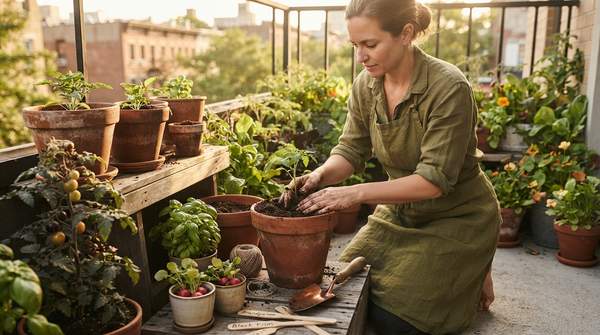
Marigolds are known to repel nematodes and other pests that target tomatoes, while basil is often planted nearby as it is believed to improve tomato flavor. Additionally, carrots and onions can offer beneficial companionship to tomatoes, according to gardening with companion plants (home garden series).
What plants should not be planted together?
Gardeners should avoid planting brassicas, such as broccoli or cabbage, near strawberries, as they can stunt the growth of the berries. Fennel is another plant that inhibits the growth of many other species and should generally be isolated to prevent adverse effects on its neighbors, as noted by pubs.extension.wsu.edu.
Cultivating a Smarter Garden
Home gardeners adopting these proven companion planting techniques will likely observe significant reductions in pest damage and a decreased reliance on synthetic inputs, cultivating healthier, more sustainable plots.