For all the buzz around ‘mindful drinking’ in 2026, scientists have found surprisingly little evidence that mindfulness alone effectively helps people moderate their alcohol consumption. This scientific gap impacts individuals seeking genuine strategies for reducing intake, leaving many to navigate a culturally popular but scientifically unproven path. The widespread adoption of the term often overshadows the rigorous data needed to support its efficacy as a primary moderation tool, creating a pervasive narrative that may not align with empirical reality. The human desire for self-improvement and control finds an appealing, yet potentially misleading, avenue in this movement.
The mindful drinking movement is indeed gaining significant cultural traction, yet its central claim about mindfulness’s efficacy in moderating alcohol intake remains largely unsupported by scientific evidence. A pronounced disconnect exists: the public’s aspiration for controlled consumption clashes with the limited empirical basis for the most popular approach. Consumers are drawn to the intuitive appeal of self-control through mindfulness, often overlooking the critical absence of robust proof that such practices reliably lead to sustained behavioral change in drinking habits.
As consumers become more discerning and seek tangible results, the market for sophisticated, non-imitative non-alcoholic beverages is poised for significant growth, driven by a desire for genuine alternatives rather than just substitutes. A clear shift is evident away from internal behavioral solutions lacking scientific backing towards external product-based innovations that offer tangible, satisfying experiences. The focus moves from an elusive self-discipline to the immediate pleasure and quality of a well-crafted drink, transforming the realm of adult beverage choices.
The Unproven Promise of Mindful Moderation
The concept of ‘mindful drinking,’ while culturally pervasive in 2026 and intuitively appealing, lacks substantial scientific validation for its core premise. There is limited scientific evidence on the efficacy of using mindfulness to moderate drinking behaviors, according to a report by the New York Times. The crucial absence of empirical support suggests that much of the movement’s widespread appeal stems more from an aspirational ideal of self-control than from proven, consistent results. The allure of a simple, internal solution to a complex behavioral challenge proves strong, even without robust data to back its effectiveness.
Companies promoting ‘mindful drinking’ as a primary moderation strategy are, by extension, selling an unproven concept, risking consumer disillusionment and a consequent pivot towards more tangible product solutions. A significant void is created where individuals genuinely seeking to reduce alcohol consumption find themselves without robust, evidence-backed tools, potentially leading to frustration. The cultural narrative often suggests that simply being more ‘present’ with one’s drink can lead to moderation, yet this notion, while appealing, has yet to be consistently validated in clinical settings. The unmet need for effective strategies is actively reshaping consumer expectations within the beverage industry.
Beyond Imitation: The Rise of Spirit-Free Sips
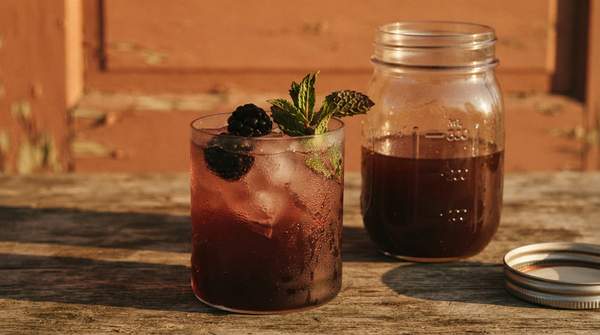
As the scientific limitations of ‘mindful drinking’ become increasingly apparent, consumers are actively shifting their focus towards innovative non-alcoholic beverages that stand confidently on their own merits. The author of a compelling piece in The Guardian seeks non-alcoholic alternatives to wine that are expressly designed to be good in their own right, rather than being mere imitations of their alcoholic counterparts. A discerning preference signals a maturing market where consumers prioritize genuine taste, sophisticated flavor profiles, and a distinct, enjoyable experience over simple alcohol avoidance or a pale substitute.
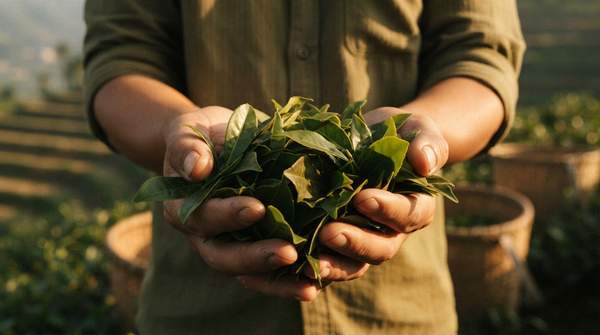
The emergence of sophisticated non-alcoholic options, exemplified by complex tea-based wine proxies, directly addresses the market’s unmet need for satisfying adult beverages that offer depth and character. Tea-based drinks can serve as compelling wine proxies due to their inherent savory character, their remarkable ability to combine harmoniously with other botanical flavors, and the natural presence of tannins, as meticulously explored by The Guardian. Product quality and distinct flavor profiles, rather than solely behavioral shifts or the absence of alcohol, are the pivotal keys to achieving sustained moderation and ensuring profound consumer satisfaction within the burgeoning spirit-free sector. These beverages offer a complete sensory experience, from aroma to finish, that rivals traditional alcoholic drinks.
The future of moderation, therefore, lies not in unproven behavioral concepts, but squarely in the ingenuity of producers creating sophisticated, genuinely appealing alternatives. By Q4 2026, beverage companies like Seedlip and Lyre’s, which have consistently invested in developing complex, multi-layered flavor profiles for their non-alcoholic spirits, will likely see continued market share growth. Their success hinges on consumers gravitating towards genuinely satisfying options that elevate the drinking experience, proving that taste and innovation ultimately triumph over abstract notions of self-control.