If you want a tangy, tea-based drink with a vinegary snap, brew kombucha. If you want something light, fruity, and caffeine-free, choose water kefir. And if you love ginger ale and want a soda you can flavor any way you like, start a ginger bug. Those three sentences capture the real decision, because these drinks differ most in their starter culture, their liquid base, and their taste — and the right choice depends on which of those fits your kitchen and your palate.
Introduction to Home-Fermented Drinks
Fermentation is one of the oldest kitchen magics there is: simple ingredients, a little time, and microbes doing what they have always done. As fermentation writer Kirsten Kaminski puts it, a ginger bug begins with nothing more than "ginger, sugar, and water" becoming a living culture — billions of tiny microbes at work. The tradition spans cultures and centuries, and today three non-alcoholic options dominate home counters: kombucha, water kefir, and ginger bug soda.
Each is a living beverage, each is naturally fizzy, and each can be made at home with modest ingredients. But they are not interchangeable. One is built on tea, one on sugar water, and one on wild yeasts captured from the air and the ginger itself. Understanding those foundations — rather than any health claim — is what makes the choice easy. This guide compares the three so you can pick your starting point with confidence.
Kombucha: The Tangy Tea Brew
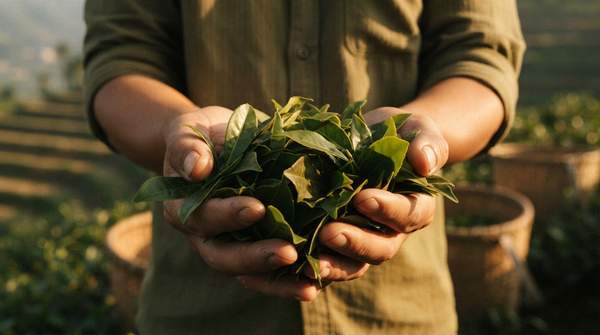
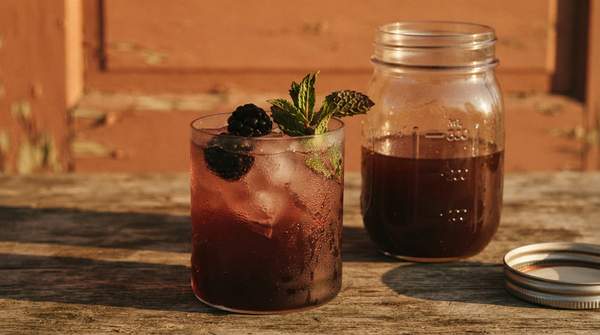
Kombucha is a fermented sweetened tea, typically brewed on black tea, with a pleasantly tart, slightly acidic character and a natural effervescence. A scientific review of kombucha and kefir describes its taste as tangy and slightly sour with a hint of sweetness, "like apple cider vinegar," while its carbonation gives it a crisp, sparkling, refreshing mouthfeel. Depending on the tea base, fermentation length, and added ingredients, kombucha can range from bright and citrusy to floral, earthy, or spiced.
Two things define the kombucha experience for a beginner. First, it is tea-based, which means it carries a small amount of caffeine — lightly energizing, but not for anyone avoiding it. Second, its flavor is the most assertive of the three: if you already enjoy sharp, sour tastes like vinegar or sourdough, kombucha will feel familiar. A related brew, jun, follows the same principle but ferments green tea with honey instead of black tea with sugar, producing a softer, floral, almost champagne-like drink — though jun's specific culture is harder to find, making it a project for later rather than a first brew.