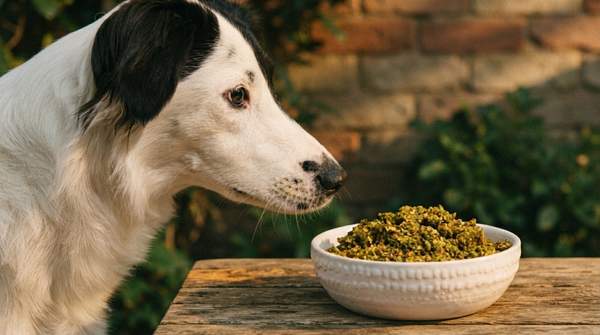
Homemade dog food is rarely nutritionally complete on its own. When researchers evaluated published recipes for home-prepared dog diets, they found recurring shortfalls in the same handful of nutrients: zinc, choline, copper, calcium, vitamin D, and vitamin E. The good news is that these gaps are fixable—but only with a professionally formulated recipe, followed exactly, and ideally with a board-certified veterinary nutritionist involved from the start.
The Hidden Risks of Homemade Dog Food
Cooking for your dog comes from a good place: you want to know exactly what goes into the bowl. But a review of the scientific literature on home-prepared diets for dogs and cats found a consistent pattern of improperly balanced diets across growth, maintenance, and even disease-specific recipes. Owners often pull these recipes from books, magazines, and websites that were never properly formulated in the first place.
The consequences are not trivial. The Farmer's Dog, which sells a supplement designed to complete its own fresh-food recipes, warns that nutritionally incomplete food can cause immune dysfunction, degenerative muscle diseases, bone deformities, and impaired liver function. The American Kennel Club's nutrition guidance echoes this: an unbalanced homemade diet can lead over time to poor coat quality, bone problems, immune dysfunction, or organ disease. These problems develop gradually, so a dog can appear healthy for months before the deficiency shows up.