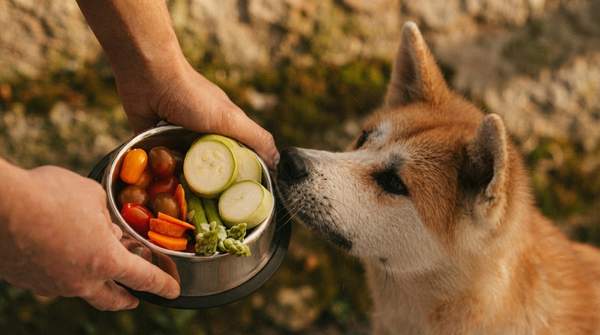
When your dog's dinner starts betraying them—chronic itching, recurring ear infections, or digestive chaos after every meal—the culprit is rarely mysterious. It's usually a single ingredient, and veterinary guidance is clear on how to find it: a strict homemade elimination diet, followed by a deliberate reintroduction challenge, is the most reliable way to identify whether a food allergy or intolerance is at work. The two conditions share symptoms, but they arise from different biology and point to different long-term management.
Understanding Canine Food Reactions: Allergies vs. Intolerances
Veterinary sources use "food hypersensitivity" as a broad umbrella for any adverse reaction to food, but the distinction that matters for your dog is whether the immune system is involved. Writing for PetMD, veterinarian Molly Price explains that a true food allergy involves an abnormal immune response to a food allergen, while a food intolerance is an adverse reaction that does not involve the immune system at all. Both can cause digestive upset, but only the allergy typically reaches beyond the gut.
That distinction is practical, not academic. AnimalBiome, which specializes in pet gut health, frames the entire diagnosis around one question: whether the immune system is the initial trigger. The answer shapes what you feed, how long you trial, and what you watch for.