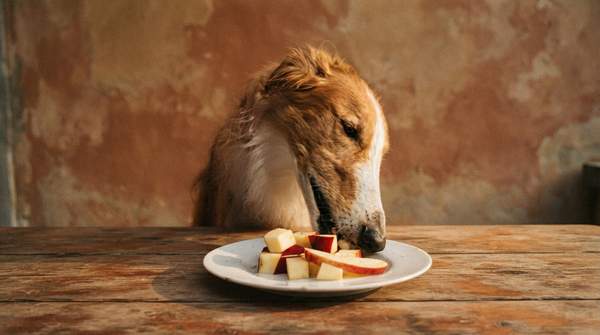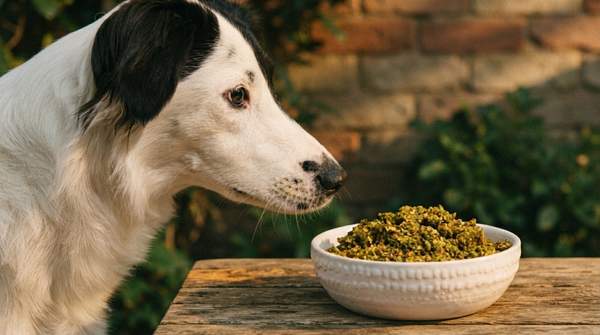
A dog's digestion and immunity depend heavily on the trillions of microbes living in the intestinal tract, and owners can actively support that inner ecosystem with everyday whole foods. The practical formula is simple: prebiotic fibers feed the beneficial bacteria already living in the gut, probiotic foods add live beneficial bacteria, and gentle, digestible proteins and varied fibers round out the picture. Veterinary and canine nutrition sources point to specific, dog-safe options in each category — from asparagus and pumpkin to kefir and boiled chicken — that can be added to a complete, balanced diet as supportive extras rather than meal replacements.
Disruptors of Gut Balance: Recognizing the Signs
Inside a healthy canine gut, bacterial groups such as Firmicutes, Bacteroidetes, and Actinobacteria carry out essential work in digestion, immune regulation, and metabolism, while other microbes must be kept in careful check to maintain health, according to a review of the canine gut microbiome published in the scientific literature. When that balance tips, the consequences show up in ways an owner can observe.
Veterinary hospital network VCA lists the warning signs plainly: vomiting, diarrhea, skin issues, and weight fluctuations can all indicate an imbalance in the gut microbiome. The same guidance identifies the common disruptors — antibiotics, stress, and feeding an inappropriate diet or changing diets frequently — and recommends avoiding unnecessary antibiotic use, minimizing a dog's exposure to stressors, and feeding a diet tailored to the individual dog. Canine nutrition writers add that foods high in sugar, additives, or preservatives may disrupt gut flora over time, and that dogs eating fresh food tend to have healthier microbiota than those eating highly processed commercial foods.
Prebiotics: Fueling Beneficial Bacteria
Prebiotics are the quieter half of the gut-health pair. As the veterinary researchers Rachel Pilla and Jan Suchodolski explain in their review of the canine gut microbiome, prebiotics are non-digestible food substances, like fiber, that foster the expansion of beneficial bacteria already residing in the host. The dog cannot digest them; its gut flora can, and that meal strengthens the microbial community from within.
Animal-health company Zoetis notes that prebiotics and probiotics, when carefully matched to a patient's needs, can help support beneficial bacteria, improve intestinal barrier function, and reduce inflammation. The research record shows these effects are measurable: in dogs, different fibers studied for prebiotic properties induce specific changes in the microbiome — beet pulp, for example, was found to increase the Firmicutes phylum and decrease Fusobacteria. Whole-food sources named across nutrition sources include asparagus, dandelion greens, carrots, pumpkin, sweet potatoes, and chicory root, along with compounds like inulin and fructooligosaccharides.
Probiotics: Introducing Good Bacteria
Where prebiotics feed the residents, probiotics are the new arrivals. Pilla and Suchodolski define them as supplying an exogenous source of live bacteria to the host. Fermented dairy foods are the most accessible whole-food route: the American Kennel Club's nutrition guidance lists raw goat milk, unsweetened yogurt, low-sodium cottage cheese, unsweetened buttermilk, and kefir as rich probiotic sources for dogs that are not lactose intolerant, noting that the live cultures support healthy gut flora and can aid both digestion and the immune system's response to infection.
For dairy-sensitive dogs, the same guidance points to alternatives such as fermented beets. One caution from the research side: many probiotic formulations are commercially available, but Pilla and Suchodolski report there is not yet enough scientific evidence to support one formulation over another. Whole foods sidestep that ambiguity — the bacteria arrive in their natural fermented medium, in small, digestible portions.
Beyond Pre- and Probiotics: Other Gut-Friendly Foods
Easily digestible proteins form the third pillar. Lean meats like boiled chicken and turkey, along with eggs, bone broth, and whitefish, are low-fat, easily digestible protein sources that support gastrointestinal health without irritating sensitive stomachs, according to canine nutrition guidance from JustFoodforDogs; fish also supply omega-3 fatty acids that may support immune function. East Greenbush Animal Hospital echoes this for sensitive-stomach cases, recommending easy-to-digest proteins, low-fat ingredients, added fiber, and probiotics as a combined approach.
Fiber deserves its own attention, in both forms. Soluble fiber, found in cooked whole grains like brown rice and oats, supports intestinal health and aids digestion. Insoluble fiber adds bulk to stool and helps move food through the digestive system efficiently. Pumpkin bridges both worlds: its soluble fiber absorbs excess water in cases of diarrhea and adds bulk in cases of constipation, making a spoonful of plain, cooked pumpkin a go-to remedy for mild digestive upset — though owners should avoid sugary, spiced pumpkin pie filling.
Gut-Friendly Whole Foods for Your Dog: A Quick Reference
The chart below organizes the evidence into a decision tool: pick a category based on your goal, choose a food, and follow the preparation notes. Every item is meant as a supplement to a complete, balanced diet — not a homemade diet in itself.
| Food Category | Specific Food Examples | Primary Gut Benefit | Preparation & Serving Notes |
|---|---|---|---|
| Prebiotic fiber | Asparagus, dandelion greens, carrots, pumpkin, sweet potatoes, chicory root | Non-digestible fibers that feed beneficial bacteria already in the gut, supporting barrier function and reducing inflammation | Serve vegetables cooked and in small portions; add a spoonful of plain, cooked pumpkin to regular food to help regulate bowel movements |
| Probiotic sources | Kefir, unsweetened yogurt, plain low-fat Greek yogurt, raw goat milk, low-sodium cottage cheese, unsweetened buttermilk | Live beneficial bacteria that aid digestion and support the immune response to infection | Only for dogs that tolerate dairy; for dairy-sensitive dogs, fermented beets are an alternative; start with small amounts |
| Easily digestible proteins | Boiled chicken, turkey, eggs, whitefish, bone broth | Low-fat proteins that support GI tract health without irritating sensitive stomachs; fish add omega-3s that may support immunity | Boil or cook plainly with no seasoning; bone broth is a gentle option during recovery from digestive upset |
| Other beneficial fibers | Cooked brown rice, oats, carrots, pumpkin | Soluble fiber supports intestinal health and digestion; insoluble fiber adds stool bulk and moves food through efficiently | Cook grains fully; combine with lean protein for a gentle, temporary meal during mild stomach upset |
Two boundaries matter when using this chart. First, even the classic chicken-and-rice recovery meal is a short-term soother, not a fix: canine nutrition guidance warns it lacks the prebiotics, fiber, and probiotics needed to restore gut health and does not address the root cause of digestive issues. Second, persistent symptoms are a veterinary matter — VCA's guidance is explicit that vomiting, diarrhea, skin issues, and weight fluctuations warrant professional diagnosis and treatment, not just dietary tinkering.
Supporting Your Dog's Gut Health: A Continuous Journey
Dog owners should actively incorporate a variety of dog-safe whole foods rich in prebiotics, probiotics, and fiber into their pet's diet to support a balanced gut microbiome — always alongside a complete, balanced diet, and with a veterinarian's input for dogs with existing conditions. This article is informational and is not a substitute for professional veterinary advice or diagnosis.
Progress is observable at home. Watch for improved stool quality (log-shaped and brown), reduced digestive upset such as vomiting or diarrhea, and enhanced overall vitality and energy levels. A veterinarian can help determine when results from dietary changes should appear, and any worsening of symptoms is a clear signal to seek professional care rather than continue adjusting the bowl.
Sources
- The Dog Microbiome: How Gut Health Impacts Your Dog’s Well-being — JustFoodforDogs Blog
- Understanding the diversity and roles of the canine gut microbiome - PMC
- Dog Gut Health: Understanding Your Dog's Digestive System — Vca
- Dog Gut Health: Simple Ways To Improve the Gut Microbiome — Kismet
- Frontiers | The Role of the Canine Gut Microbiome and Metabolome in Health and Gastrointestinal Disease
- Zoetis — Zoetisus
- What to Add to Your Dog's Diet to Boost Gut Health — American Kennel Club
- Best Gut-Friendly Foods for Dogs With Sensitive Stomachs — East Greenbush Animal Hospital