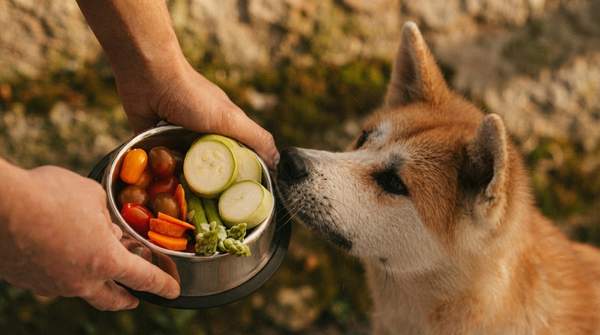
Fermented foods sit at an unusual crossroads in canine nutrition: the same living cultures that can support your dog's digestion can also harbor dangerous pathogens if preparation goes wrong. The honest answer for most owners is a cautious "it depends." For a healthy dog and a careful owner, small amounts of properly fermented foods like kefir or plain sauerkraut may support gut health and immune function. For a dog with a compromised immune system, histamine sensitivity, or a fragile digestive tract—and for any household that cannot maintain strict fermentation hygiene—the risks can outweigh the benefits.
Understanding Fermented Foods for Dogs: Benefits and Risks
Fermentation is an ancient preservation technique in which beneficial bacteria break down complex compounds in food, making nutrients more bioavailable and producing natural probiotics, enzymes, and short-chain fatty acids. Proponents of fermented vegetables for dogs point out that these compounds support digestive health, and that dogs' ancestral diet included partially fermented digestive contents from prey animals.
The scientific picture is more measured. A review of gut probiotics in dogs and cats, published in the journal Animals, notes that probiotic administration "has shown positive effects on the gut health and can alleviate some intestinal diseases and disorders in dogs and cats," while cautioning that "the underlying mechanisms are largely unresolved." In other words, the direction of the evidence is encouraging, but the specific mechanisms—and guaranteed outcomes for any individual dog—remain unproven.
The other half of the picture is risk. A scientific review of fermented food safety documents that fermented foods have caused real outbreaks of foodborne illness, including kimchi implicated in an outbreak of 1,642 cases of enteritis among school canteens in Incheon, Korea, where toxin-producing E. coli (ETC O169) strains were isolated from both students and the kimchi itself. The review's warning applies directly to home fermenters: "not only homemade fermented foods, but also foods produced by food companies, may pose a risk of infection for the consumer."