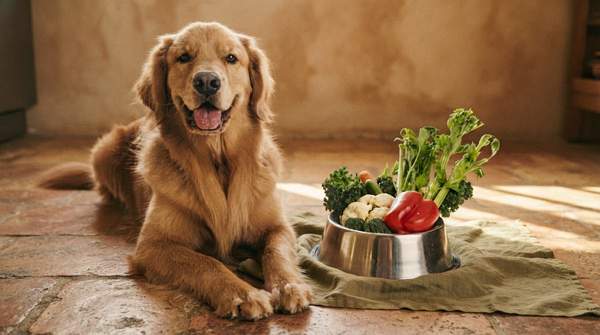
Globally, average dogs consume more farmed animals (13) annually than average people (9). The fact that average dogs consume more farmed animals (13) annually than average people (9) exposes an often-ignored driver of agricultural emissions. Our beloved companions, often seen as innocent family members, contribute significantly to the very environmental crises we strive to mitigate. The sheer volume of animal protein required for a global pet population creates a substantial, largely unexamined, ecological footprint, directly impacting the environmental and ethical landscape of pet food ingredients by 2026.
But global pet ownership is rapidly increasing, yet the substantial environmental cost of feeding these beloved companions remains largely unaddressed by both consumers and the pet food industry. The disconnect between rapidly increasing global pet ownership and the unaddressed environmental cost of feeding pets creates a growing tension between our affection for pets and the planet's capacity to sustain current feeding practices.
Without significant shifts in consumer awareness and industry practices towards more sustainable pet food options, the environmental burden of pet ownership will continue to escalate, exacerbating global climate challenges.
The numbers are stark. Dogs and cats globally consume 9% of farmed animals, according to Faunalytics. The consumption of 9% of farmed animals by dogs and cats globally intensifies pressure on agricultural systems as global pet ownership soars past 840 million cats and dogs, according to 2023 Vet reports. The escalating demand for animal protein for pets fuels deforestation, drains water resources, and pumps greenhouse gases into our atmosphere. It mirrors the challenges of human food production, yet remains largely unacknowledged.
The Hidden Cost of Pet Food: Wet vs. Dry Emissions
Greenhouse gas emissions from pet food vary dramatically by formulation. Wet food generates 33.56 kg CO2eq/1,000 kcal, while dry pet food produces a mere 4.25 kg CO2eq/1,000 kcal, according to Vet. The nearly eight-fold difference in greenhouse gas emissions per calorie (wet food at 33.56 kg CO2eq/1,000 kcal vs. dry food at 4.25 kg CO2eq/1,000 kcal) means choosing wet food multiplies a pet's environmental impact. Crucially, ingredient selection accounts for a disproportionate 70% of pet food's carbon impact, Faunalytics reports, revealing that the type of ingredient, not sheer volume, drives the primary environmental culprit.