The Vitamin C in fresh broccoli plummets after just ten days of cold storage. Even the freshest produce quickly loses its nutritional punch if not consumed promptly, turning a healthy market haul into a nutritionally compromised one.
Consumers flock to farmers markets for peak freshness and quality, yet their post-purchase habits often lead to rapid degradation and significant food waste. This disconnect transforms potential savings and vibrant quality into avoidable waste and lost nutrients.
Adopting informed purchasing and storage strategies offers greater nutritional benefits, substantial cost savings, and a significant reduction in food waste. These smart choices are key to maximizing your farmers market haul.
7 Smart Storage Starts at Home
1. Buy seasonal produce
Best for: Value-conscious shoppers seeking peak flavor and nutrition
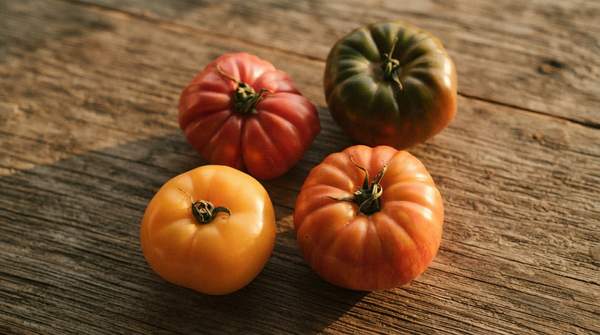
Local, in-season produce guarantees optimal freshness and taste. According to Farmers' Almanac, seasonal peaks offer 20-40% savings over off-season prices for the same items. Buying seasonal produce not only supports local agriculture but also ensures higher nutrient density, despite offering limited variety outside local harvest cycles.
2. Utilize food assistance programs (SNAP/WIC) and market match programs
Best for: Eligible families looking to stretch their food budget
Many markets accept SNAP and WIC benefits. Programs like Double Up Food Bucks, as stated by foodprint, can double your purchasing power for fresh produce. Doubling purchasing power significantly increases access to healthy food, making nutritious choices more affordable for eligible families.
3. Buy in bulk or ask for case discounts