Not all pomelos are interchangeable, and the difference matters most at the market stall. If you're planning a Thai salad, a Hong Kong–style dessert, or simply a juicy fruit to peel and eat, the variety you choose shapes the result. Based on the descriptions gathered here, three stand out as practical picks: Thongdi, the sweet, pinkish-red Thai favorite; Kao Phuang, a pear-shaped, mildly sweet type with very low bitterness; and Melogold, a juicy pummelo hybrid prized for sweetness with little bitterness.
One caveat before you shop: these are general characteristics. Ripeness and growing conditions shift flavor and texture, and this guide covers only the varieties described in the sources consulted—it is not an exhaustive catalog of every cultivar. Think of it as a starting framework for matching fruit to dish.
Thongdi (Red) Pomelo: Sweetness with a Hint of Color
Thongdi is the showstopper of the group. According to Pomelos.org's variety guide, this Thai variety carries deep pink to red flesh and sits at the sweeter end of the red pomelo spectrum. It's one of the most popular pomelo varieties in Southeast Asian domestic markets, and it's prized specifically for its balance of sweetness and acidity.
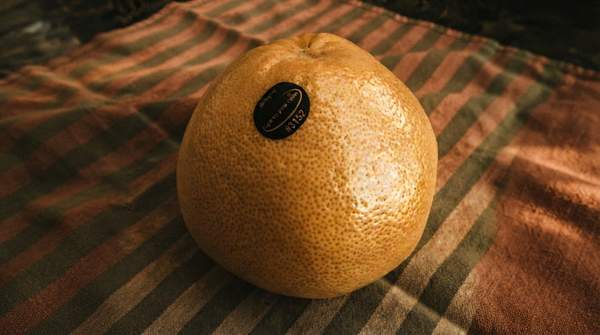
The same guide notes that Thongdi is juicier than white-fleshed varieties, with moderate tartness, a round shape measuring five to seven inches, and a yellowish-green, relatively smooth skin. Its season runs August through January, so a farmer's market visit in that window is your best bet. Seeds are moderate, so expect a few but not a battle.
In the kitchen, that sweet-tart balance is what makes Thongdi so flexible. Pomelos.org's recipe collection observes that pomelo's sweet, mild flesh works in salads, desserts, drinks, and savory dishes—categories where a fruit with balanced acidity, like Thongdi, can carry both sweet and savory company.
Kao Phuang Pomelo: Mild, Clean, and Low on Bitterness
Kao Phuang is the quiet achiever. Pomelos.org describes this Thai variety as distinctive for its pear shape, with white to pale green flesh offering a mildly sweet, clean citrus taste and very low bitterness. It's larger and more elongated than honey pomelo, and its rind stays green even when fully ripe—so don't let the color fool you at the stall.
That low bitterness is the variety's real selling point. For eaters who find some citrus pith too assertive, Kao Phuang's clean profile makes it an easy fruit to enjoy out of hand, and its mildness means it won't dominate a dish where pomelo is one ingredient among several.
There is one drawback worth flagging, and Pomelos.org is blunt about it: Kao Phuang is a seedy variety. If you're segmenting fruit for a salad, budget a few extra minutes of knife work. The payoff is a gentle, refreshing citrus flavor that suits fresh preparations where you want sweetness without sharpness.
Melogold Pomelo: Juicy, Sweet, and Low Bitterness
Melogold plays a different game entirely: it's a pummelo hybrid, and it's typically described as very juicy and very sweet, with little bitterness. Where Thongdi brings tartness into the balance and Kao Phuang leans mild and clean, Melogold is the variety to reach for when juiciness itself is the point.
That succulence makes it a natural for preparations where the fruit's juice is meant to carry the dish—fresh eating, fruit salads, or drinks. Its low bitterness also means less trimming and less fuss when you're breaking it down into segments.
Dan Willey's fruitmentor survey of California pummelos, informed by citrus expert David Karp of the Citrus Variety Collection in Riverside, concluded that California already grows pummelos that taste like those from China, Vietnam, and Thailand—so if you see a Melogold at a domestic market, you're not settling for second best.
Pomelo Varieties at a Glance: Choose Your Perfect Fruit
Here's the side-by-side view. Each row pairs the variety's sensory traits with the culinary role those traits support, so you can match fruit to recipe before you buy.
| Variety | Flavor (Sweet/Tart/Bitterness) | Texture and Flesh | Best Culinary Uses |
|---|---|---|---|
| Thongdi (Red) | Sweet with moderate tartness; prized for its sweetness-acidity balance | Deep pink to red flesh; juicier than white varieties; moderate seeds | Versatile: salads, desserts, drinks, and savory dishes |
| Kao Phuang | Mildly sweet, clean citrus taste; very low bitterness | White to pale green flesh; pear-shaped; seedy; green rind when ripe | Fresh eating and mild preparations where low bitterness matters |
| Melogold | Very sweet with little bitterness | Very juicy; a pummelo hybrid; firmness not specifically detailed | Fresh eating, fruit salads, and drinks where juice is the point |
The pattern to notice: as bitterness drops from Thongdi's balanced tartness to Kao Phuang's and Melogold's low-bitter profiles, the best use shifts from mixed savory-sweet dishes toward simpler, fresher preparations. Thongdi's acidity can stand up to dressing and heat; the other two shine most when the fruit speaks for itself.
Beyond Raw: Culinary Uses for Different Pomelos
Pomelo's kitchen range is wider than most citrus. Pomelos.org's recipe collection makes the case plainly: pomelo is "one of the most versatile citrus fruits in the kitchen," with sweet, mild flesh that works in salads, desserts, drinks, and savory dishes. Its firm texture holds up to mixing and cooking in ways that grapefruit and orange can't, and its gentle sweetness pairs with a surprising range of flavors.
That texture claim matters for variety selection. A firm fruit that survives tossing is what you want in a Thai pomelo salad (Yam Som O), where segments are mixed with chilies, fish sauce, and herbs. Sweeter, juicier flesh suits Mango Pomelo Sago, the classic Hong Kong dessert where pomelo pulp is folded into mango and coconut. And don't discard the peel: the same collection notes that pomelo's thick rind produces some of the finest candied peel you'll ever taste—a preserve where a thick-skinned variety gives you more raw material per fruit.
So the practical mapping looks like this: Thongdi for salads and savory dishes that need acidity to cut through; Melogold for desserts and drinks built on juice and sweetness; Kao Phuang for simple fresh eating; and any thick-rinded fruit for candying.
Making Your Pomelo Choice: A Quick Decision Guide
To select the ideal pomelo, consider whether your recipe requires a very sweet and juicy fruit with minimal bitterness (Melogold), a balanced tart-sweet option for fresh eating (Kao Phuang), or a generally sweet and mild fruit for versatile use (Thongdi).
The measure of success is simple: the reader successfully purchases a pomelo variety that aligns with their intended culinary application and personal taste preference. If you're shopping in season for Thongdi—August through January—check for the yellowish-green skin and round shape; for Kao Phuang, expect the pear silhouette and don't be deterred by the green rind. One market trip with this framework, and the pomelo pile stops being a mystery and becomes a menu decision.
Sources
- Pomelo Varieties: A Complete Guide to Every Type of Pomelo — Pomelos.org
- Pomelo Recipes: 20+ Delicious Ways to Cook and Enjoy Pomelo — Pomelos.org
- The Nine Best California Pummelos — fruitmentor™