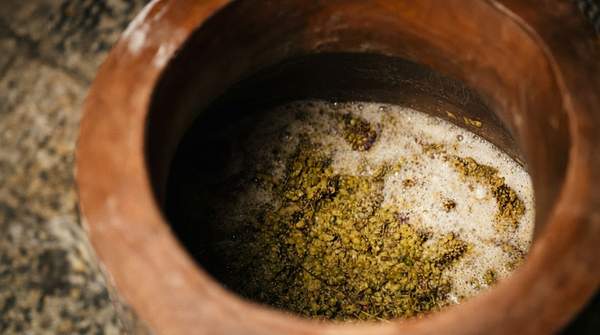
Natural wine tastes different from conventional wine for a reason rooted in biology: it is fermented by whatever wild yeasts arrive on the grape skins and in the winery, rather than by a single laboratory-selected strain. That difference in microbes—diverse non-Saccharomyces species followed by Saccharomyces cerevisiae, versus one cultivated species from the start—produces a different set of chemical byproducts, and those byproducts are what we experience as flavor. Combined with minimal intervention in the cellar, this microbial sequence is also how a specific vineyard's microbial life becomes tasteable in the glass.
The Microbial Foundation of Wine Fermentation
Fermentation is, at its core, microbes eating sugar. As an explainer published in Frontiers for Young Minds puts it, yeasts perform alcoholic fermentation by starting with a sugar called glucose, converting it into alcohol and, in the process, releasing energy for themselves. Winemaking simply borrows this metabolism: crush grapes, and the yeasts living on the fruit convert the grape sugars into alcohol and carbon dioxide.
What varies is who does the work. Stanford Medicine's nutrition education resource on fermented foods frames the key distinction well: foods may be "naturally fermented or made with a starter culture." In wine, the starter-culture path is conventional winemaking; the natural path hands the process to the wild microbial community already present on the grapes and in the winery environment. Everything that distinguishes the two styles flows from that single choice.
Conventional Fermentation: Controlled and Predictable
Conventional winemaking typically introduces specific strains of commercial yeast to control fermentation, as DEFY's fermentation science explainer describes. The winemaker knows in advance which microbe will dominate. Writing for LITTLEWINE, Christina Rasmussen notes that in commercial yeast fermentation, "you know exactly which yeasts will take over the fermentation (usually one species of saccharomyces cerevisiae), and other yeasts get 'less say' in the matter."
This predictability is the point. A single, reliable strain ensures a consistent fermentation, batch after batch and vintage after vintage. The trade-off is a narrower range of metabolic activity: one yeast produces one set of byproducts, so the flavor contribution from fermentation itself is relatively uniform. In such wines, flavor is largely determined by the grape varietal and by winemaking techniques beyond fermentation—oak, blending, temperature control—rather than by the microbial drama of the ferment.