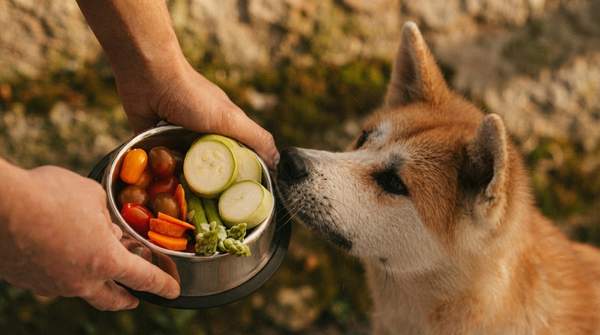
A nutritionally balanced homemade diet for a dog cannot be built from a generic macronutrient ratio. Veterinarians and veterinary nutrition sources consistently report that most homemade diets fail to meet nutrient standards without expert formulation, and that the correct proportions of protein, fat, and carbohydrates depend on the individual dog's life stage, weight, health, and activity. The safe path is a customized recipe created with a board-certified veterinary nutritionist or a certified formulation tool—not a sample recipe copied from the internet. This article explains what a balanced recipe actually contains, why needs differ from dog to dog, and how to choose the right formulation method for your situation.
Why Balance is Crucial: Understanding Nutrient Deficiencies
Dogs need more than just protein and a filler. The Association of American Feed Control Officials (AAFCO) defines six nutrient classes—water, protein, fats, carbohydrates including fiber, vitamins, and minerals—and a homemade diet must supply all of them in the right proportions. Protein, roughly 20 to 30 percent of calories in one veterinarian's guidance, builds muscle and tissue. Fats provide concentrated energy, supply essential fatty acids, and keep skin and coat healthy. Carbohydrates from cooked grains or starchy vegetables contribute energy and fiber for digestion.
The category that most often breaks homemade diets is the smallest one: vitamins and minerals. Writing for Ask A Vet, veterinarian Duncan Houston offers a sample balanced daily recipe—40 percent lean cooked meat such as chicken, turkey, or beef; 10 percent organ meat like liver or kidney; 20 percent cooked grains or starchy vegetables; 20 percent steamed vegetables or fruit for fiber and vitamins; 5 percent healthy fat such as olive oil, fish oil, or flaxseed; plus a vitamin-mineral premix and cooking water. He is explicit, however, that exact ingredient amounts must be vet-calculated based on the dog's calorie needs. The ratio illustrates component types; it is not a prescription.
The consequences of skipping that calculation are concrete. Without an intentional calcium source in the correct amount, a meat-heavy diet becomes dangerous over time, contributing to weak bones, dental issues, and long-term skeletal problems. Taurine, an amino acid that supports heart health, is another common omission: not every dog requires supplementation, but poorly balanced homemade diets raise the risk of deficiency. A veterinary practice in Urbana, Ohio warns that a diet too high in meat without enough bone or calcium can cause skeletal issues, especially in puppies and senior dogs. Rotating ingredients, following random recipes, and estimating portions—the way many owners attempt balance—is, in the words of one pet nutrition guide, simply unreliable.