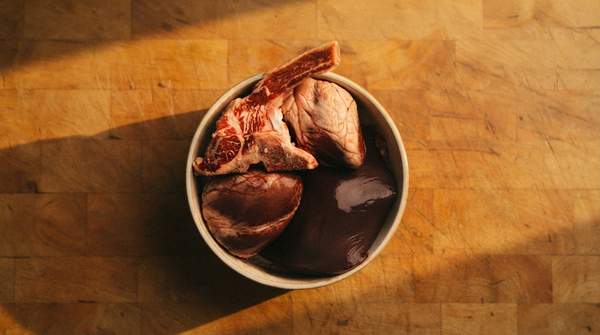
Organ meats are among the most nutrient-dense ingredients a home cook can add to a dog's bowl, but they are not interchangeable. Liver, kidney, and heart each contribute a distinct nutritional profile, and the difference matters most for one organ: liver, which is extremely high in vitamin A and can cause toxicity if it dominates the diet long-term. The practical rule that emerges from veterinary and pet-nutrition guidance is simple: rotate a variety of organs, keep the nutrient-packed "secreting" organs like liver and kidney to smaller portions, and treat heart more like the muscle meat it is.
The Nutritional Power of Organ Meats for Dogs
When owners move from commercial kibble to homemade food, organ meats are usually where the nutritional stakes get interesting. All organ meats are high in amino acids, the building blocks of protein, but they vary considerably in the other nutrients they supply, as Vetericyn's animal-wellness review notes. Fat-soluble vitamins such as vitamin A, B vitamins (especially B12), iron and copper, and unique compounds like CoQ10 are all concentrated in organs rather than muscle meat.
That concentration is exactly why variety is the recurring theme in feeding guidance. Dogs Naturally Magazine's homemade-food guide, authored by Joanne Keenan, puts it plainly: each organ has a different nutrient profile, so the more variety you add, the more nutrients the diet covers. Kidney, heart, and liver are the easiest organs to obtain and together offer a good range of nutrients, while harder-to-find organs such as brain, spleen, and pancreas add further variety for owners who can source them.
Comparative Guide to Organ Meats for Dogs
The table below compares the three most accessible organ meats across the dimensions that drive feeding decisions: what each contains, what it contributes, and where its risks lie. The comparison draws on the nutrient profiles described by Layla's Bowl's nutrition guide, Vetericyn's review, and Dog Food Advisor's offal guidance.
| Organ Meat | Key Nutrients | Primary Benefit | Key Risk / Limitation | Dietary Role |
|---|---|---|---|---|
| Liver | Extremely high in vitamin A; rich in B vitamins and iron | Most nutrient-dense organ; concentrated vitamins and minerals hard to get from muscle meat alone | Vitamin A toxicity with long-term or exclusive feeding; must be limited | Secreting organ — small, controlled portions |
| Kidney | Vitamin D, B vitamins (B6, B12, folic acid), iron, zinc | Provides a different mineral balance than liver | Nutrient-dense secreting organ; same need for portion control as liver | Secreting organ — small, controlled portions |
| Heart | High in taurine; contains CoQ10 and B vitamins | Supports heart health; supplies taurine and CoQ10 | Lower risk of specific nutrient overdose than liver | Non-secreting organ — can be fed more liberally, in moderation |
Read across the rows and the logic of the comparison becomes clear. Liver is the standout for vitamin A, kidney brings a different mineral and B-vitamin mix, and heart is the go-to for taurine and CoQ10. No single organ covers everything, which is precisely why combining them—rather than leaning on any one—produces a more nutrient-diverse diet.