The best way to preserve fresh herbs depends on one question: is your herb delicate or hardy? Tender, leafy herbs like basil, parsley, dill, chives, mint, and tarragon hold their flavor far better in the freezer than in a drying rack, while woody herbs like rosemary, thyme, sage, and oregano take well to drying's concentrating effect. Every preservation method captures particular qualities while surrendering others, as chef Sam Cooper puts it—so the right choice also depends on the dish you'll eventually cook. This guide compares four methods side by side and walks you through the two most useful techniques step by step.
Introduction: Extending Your Herb Harvest
Anyone who grows herbs knows the pattern: a few sprigs in June, then a sudden glut you can't use fast enough. Katie Rushworth, who writes from her own garden, describes ending up with a surplus "because I can't use them up as fast as they grow"—which is exactly what makes home preservation worth the small effort. Fresh herbs offer brightness, aroma, and color that dried versions simply can't replicate, as culinary educators at the Auguste Escoffier School of Culinary Arts note, yet they wilt within days of picking.
Before you choose a method, identify what you're working with. The Escoffier team draws the essential distinction between delicate herbs—soft-stemmed, high-moisture leaves like basil and parsley—and hardy herbs with woody stems and tough leaves, like rosemary and thyme. That single classification predicts which methods will protect the flavor you grew the herb for in the first place. Timing matters too: the University of Wyoming Extension advises cutting herbs just before the flowers open, when the plant's flavorful oils are most concentrated in the leaves.
Herb Preservation Decision Framework
Use this table to match your herb to the method that best protects its character. The reasoning is straightforward: delicate herbs lose their top notes to oxidation when dried, so they need a method that locks in volatile oils—freezing or embedding in fat. Hardy herbs have sturdy structures and concentrated resins that survive, and even deepen, in slow drying.
| Method | Best For (Herb Type) | Flavor & Texture Impact | Best Culinary Use |
|---|---|---|---|
| Freezing (in ice cube trays) | Delicate herbs: basil, parsley, dill, chives, mint, tarragon | Retains fresh flavor and essential oils; leaves go limp when thawed because cell water expands | Soups, stews, sauces, braises—cooked dishes where texture matters less; add cubes without thawing |
| Drying (air or oven) | Hardy, woody herbs: rosemary, thyme, sage, oregano | Concentrates aroma but rearranges it through oxidation, sometimes adding bitter, resinous notes; delicate herbs like coriander leaf dry poorly | Long-cooked dishes: tomato-based sauces, stews, roasts, where concentrated flavor develops during cooking |
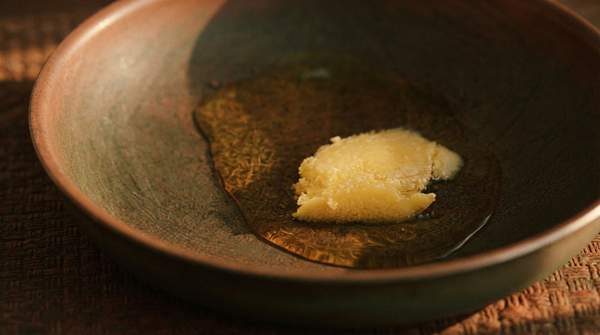
| Compound butter | Works across herb types, including chives, basil, and parsley | Butter acts as a protective medium, preserving the herb's fresh essence; keeps about two weeks in the fridge or longer frozen | Finishing melts: on grilled meats, vegetables, bread, and pasta |
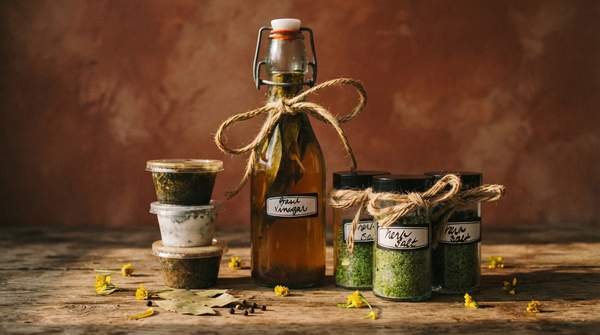
| Oil infusion | Delicate, aromatic herbs such as basil | Herb aroma and color transfer into the oil over several weeks; must be refrigerated and used promptly for safety | Salad dressings, marinades, dipping oil for bread, pasta sauces |
Notice the pattern in the table: the methods split into two families. Freezing and fat-based methods (butter, oil) protect delicate herbs by surrounding their volatile oils; drying suits hardy herbs whose resins intensify rather than fade. If your basil is wilting tomorrow, the freezer is your answer; if your thyme is leggy and woody, hang it to dry.