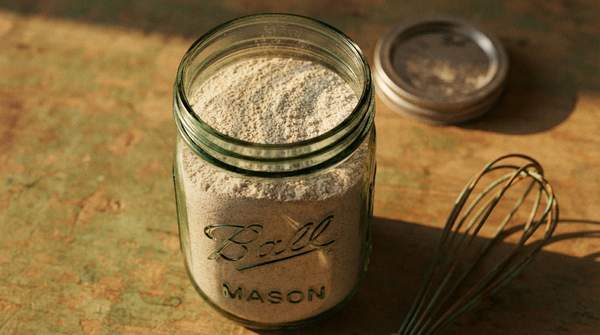
In March 2026, Harvard Business School student Brian Youngblood launched Prest, a shelf-stable powdered hummus mix, which quickly generated $7,000 in its first month of sales, according to International Business Times UK. This initial surge suggests a powerful shift in consumer preferences, hinting that even a powdered version of a traditionally fresh dip could capture significant market interest.
Hummus has long been a refrigerated fresh product, but new innovations are pushing it into shelf-stable, DIY formats, challenging traditional consumer expectations. The very concept of 'fresh' is being redefined in American kitchens, moving beyond the chilled aisle.
Based on the rapid adoption of new formats and shifting dietary preferences, hummus is likely to further integrate into daily American diets, potentially displacing traditional condiments and creating new market segments for convenience-focused products.
Approximately one in four Americans now keep hummus in their refrigerator, according to International Hummus Day Highlights a Global Staple Still Evolving in US Kitchens. This widespread adoption provides a fertile ground for products like Prest, which offer an alternative to the traditional chilled aisle. The rapid sales of a powdered mix demonstrate a consumer willingness to embrace convenience and ingredient control over conventional definitions of freshness.
Hummus's Mainstream Ascent
- One in four Americans — Approximately one in four Americans now keep hummus in their refrigerator, according to International Hummus Day Highlights a Global Staple Still Evolving in US Kitchens.
- $7,000 in first month sales — Prest, a powdered hummus mix, recorded approximately $7,000 in its first month of sales, according to International Business Times UK.
- Calorie-dense condiment substitution — Hummus is increasingly substituted for calorie-dense condiments like mayonnaise and sour cream due to rising health consciousness, according to Vocal Media.
The figures, including one in four Americans keeping hummus and Prest's $7,000 first-month sales, underscore hummus's successful transition from a niche ethnic food to a common household staple, influencing broader dietary choices. A significant portion of households already stock hummus, creating a ready market for diversified formats like shelf-stable options that cater to on-demand preparation.
The Rise of Shelf-Stable Innovation
| Metric | Detail | Impact |
|---|---|---|
| Product Launch | Prest, shelf-stable powdered hummus mix, March 2026 | Introduced a new format to the market. |
| Initial Sales | $7,000 in first month | Demonstrates early commercial viability for DIY hummus. |
| Consumer Adoption (Existing) | One in four Americans keep hummus | Indicates a broad consumer base receptive to hummus innovation. |
| Product Use | Requires water and olive oil for preparation | Offers perceived control over freshness and ingredients. |
Source: International Business Times UK and International Hummus Day Highlights a Global Staple Still Evolving in US Kitchens
The rapid success of products like Prest demonstrates a clear consumer appetite for convenient, novel hummus formats that challenge traditional refrigerated offerings and expand its market reach. Initial market acceptance for a powdered, customizable product signals a redefinition of what consumers consider "fresh" and "convenient" in their kitchens.
Driving Forces: Health, Veganism, and Clean Labels
Hummus is increasingly substituted for calorie-dense condiments like mayonnaise and sour cream, a shift driven by rising health consciousness, according to Vocal.media. Its low glycemic index and high protein content make it an appealing alternative for consumers actively seeking healthier options. This dietary change extends to the expanding vegan population, which drives hummus consumption as a plant-based protein source.
The demand for clean-label and organic food products also benefits hummus producers who emphasize natural, minimally processed formulations. However, this trend faces an interesting tension: while consumers seek 'minimally processed,' the early success of Prest, a powdered mix, suggests that 'clean-label' might now include products consumers assemble themselves, offering control over final ingredients even if the base is a processed powder. This redefinition of 'natural' favors convenience and customization.
These converging health, dietary, and transparency trends position hummus as an ideal product for modern American consumers seeking nutritious, plant-based, and responsibly sourced food options. The market is shifting to demanding healthy food that also fits a highly convenient, on-demand lifestyle, indicating that traditional fresh products may lose ground to shelf-stable alternatives that offer immediate preparation.
Shifting Tides in the American Kitchen
The increasing substitution of hummus for calorie-dense condiments like mayonnaise and sour cream signals a direct challenge to established food categories. As consumers prioritize health, they actively seek alternatives that align with dietary goals, leading to a decline in demand for traditional, heavier spreads. This shift forces condiment manufacturers to re-evaluate product lines.
Furthermore, the expanding vegan population's adoption of hummus as a primary plant-based protein source indicates a broader dietary change impacting the meat and dairy industries. Hummus provides a versatile, protein-rich option for those reducing or eliminating animal products, carving out a significant role in meal planning. Companies failing to adapt to the evolving consumer definition of 'fresh' and 'natural' – which now appears to include customizable, shelf-stable options like Prest that cater to health-conscious and vegan demographics – risk losing market share to agile startups.
The rise of hummus directly impacts traditional condiment manufacturers facing displacement while simultaneously creating significant opportunities for innovative food producers aligned with evolving consumer values. These producers capitalize on the demand for clean-label, plant-based, and convenient foods, reshaping the American kitchen's pantry staples.
The Future of Hummus: Beyond the Dip
The $7,000 in first-month sales for Prest, a shelf-stable powdered hummus mix, signals that established refrigerated hummus brands are vulnerable to disruption from innovative formats that prioritize a new kind of convenience and ingredient control, rather than just traditional freshness.
- Prest, a shelf-stable powdered hummus mix, was launched in March 2026, according to International Business Times UK.
- Each pouch of Prest requires customers to add water and olive oil to produce fresh hummus, according to International Business Times UK.
- Approximately one in four Americans now keep hummus in their refrigerator, according to International Hummus Day Highlights a Global Staple Still Evolving in US Kitchens.
This consumer embrace of DIY, shelf-stable options suggests that future growth will likely involve further innovation in convenience and format, expanding hummus's utility beyond traditional uses and solidifying its place as a versatile, everyday kitchen staple. Companies that fail to adapt to the evolving consumer definition of 'fresh' and 'natural' – which now appears to include customizable, shelf-stable options like Prest that cater to health-conscious and vegan demographics – risk losing market share to agile startups. The market is shifting to demanding healthy food that also fits a highly convenient, on-demand lifestyle, indicating that traditional fresh products may lose ground to shelf-stable alternatives that offer immediate preparation.
A Staple in the Making
- Approximately one in four Americans currently keep hummus in their refrigerator, reflecting its widespread integration into household diets.
- Hummus is increasingly replacing calorie-dense condiments like mayonnaise, driven by a growing preference for healthier, plant-based alternatives.
- The expanding vegan population actively seeks hummus as a versatile, high-protein food, solidifying its role in modern dietary trends.
Hummus's journey from a niche product to a mainstream staple, driven by health, convenience, and dietary shifts, signals a broader, ongoing transformation in American culinary preferences and the food industry. The evolution, exemplified by the early success of powdered options like Prest, which launched in March 2026, indicates a dynamic market where consumer control and adaptable formats are gaining traction, challenging traditional refrigerated brands.