A memorable farm-to-table dinner for a special occasion is not built by choosing recipes first and shopping second. It is built the other way around: identify what your region actually offers in season, then let a unifying theme, a three-course structure, and a deliberate balance of flavors and textures grow out of those ingredients. Follow that sequence and the menu composes itself naturally, rather than forcing a pre-set vision onto whatever happens to be fresh.
The Farm-to-Table Menu: A Structured Approach
Planning a multi-course seasonal meal can feel overwhelming precisely because the raw material keeps changing. A structured process removes the guesswork. Guidance from culinary educators suggests starting with practical constraints—kitchen size, equipment, guest count, and available helpers—before settling on the number of courses, with three or five being manageable options for home cooks. A caterer's approach to farm-to-table events follows the same logic at a different scale: source locally first, then design a balanced set of courses around what arrives. For the home entertainer, the sweet spot is a classic three-course meal, planned in four deliberate steps.
Step 1: Sourcing Your Seasonal Stars
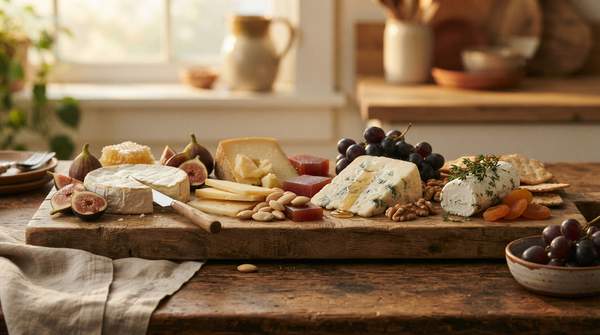
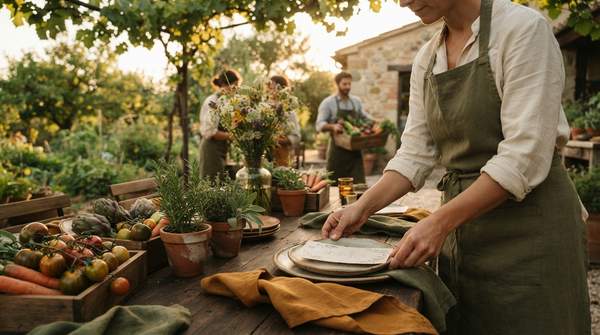
Begin where the farm begins. A meal-planning guide from Sustainable Harvest Farm frames the principle plainly: build your meals around your seasonal produce, whether that means reading your CSA share list and adjusting it before delivery or simply filling your bag with favorites at the farmers' market. The same guide notes you can often add items like fresh bread and cheese to a share. Caterers who specialize in farm-to-table events recommend visiting farmers' markets or contacting farms directly to discuss what is available, because local sourcing supports the local economy, ensures fresher ingredients, and provides flavors unique to your region.
If you want to be even closer to the source, Nectar Farm Kitchen suggests pick-your-own farms and orchards, advising cooks to ask what is available in each season and plan menus accordingly. Write down your seasonal stars—these are your menu's foundation.