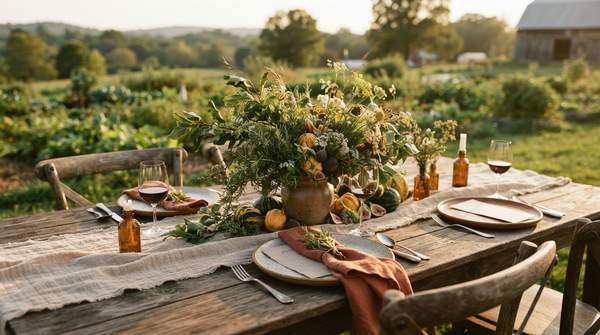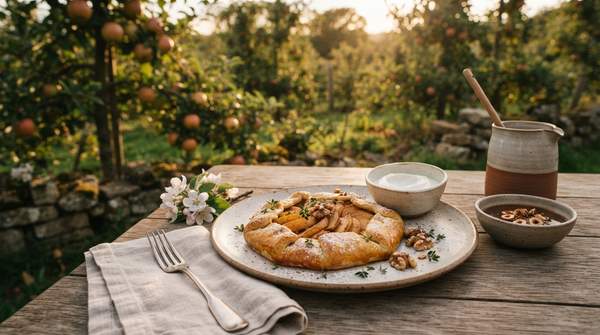
A balanced farm-to-table dessert menu doesn't begin with recipes — it begins with what is at peak ripeness where you live, and then with a deliberate act of contrast. The method is straightforward: choose one seasonal ingredient as your star, name its dominant flavor and texture, and then choose one or two companion desserts that differ from it rather than echo it. A rich, cakey apple dessert wants a light or tart counterpoint, not a second rich, cakey slice of something sweet. What follows is a step-by-step framework for making those choices, ending in a worked autumn example.
The Essence of Farm-to-Table Desserts
Farm-to-table dining is, at heart, cooking with seasonal ingredients and showcasing fresh produce from local farmers — a way of eating that Sara of the food blog Fed by the Farm describes as "getting back to our roots." For desserts specifically, the principle matters as much as for savory courses. Rather than forcing nature to match our timeline, the Grass Roots Farmers' Cooperative notes, farm-to-table menus emphasize food that is more likely to be fresh and easily available. Produce used at peak ripeness means peak flavor on the plate, as the pastry-focused publication Pastry Arts puts it, and climates shape what that peak looks like: temperate regions rotate through different local produce across the year, so your star ingredient depends on where and when you are cooking.
Step-by-Step Framework for a Balanced Dessert Menu
Menu planning is more than picking recipes — it is building an experience that feels intentional, with complementary flavors, textures, and pacing from appetizer to dessert, as Alicia Haskew writes in her dinner-party planning guide. Applied to the dessert course, the framework has four moves: select a seasonal star, analyze its flavor and texture, select contrasting companions, and check preparation logistics. Each step narrows your options deliberately, so the final spread of two or three desserts feels composed rather than assembled.
Step 1: Choose Your Seasonal Star
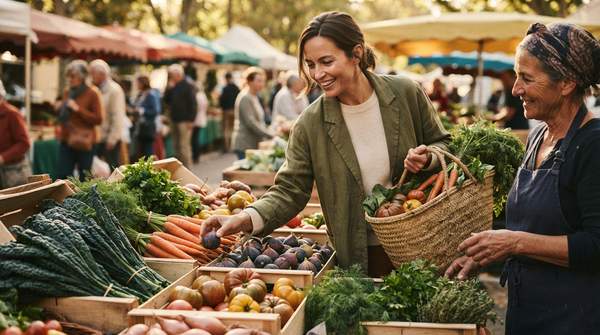
Start at a farmers market or farm stand and let availability lead. In summer, when so much produce is at peak ripeness, the choice may be a juicy stone fruit or berry; in autumn, the orchard fruits and squash dominate. Pick one ingredient that is unmistakably in season and abundant locally, and let it anchor the menu. This isn't a limitation but a focus: a single star gives your dessert spread a story guests can taste, and local sourcing at peak ripeness gives you the most flavor to work with. Read your own climate honestly, too — general seasonality in temperate regions is a guide, not a rule, and your local farm's harvest calendar is the real authority.
Step 2: Analyze Flavor Profiles and Textures
Next, describe your star in two words: one for flavor, one for texture. Fall produce, for example, ranges from sweet — like apples and pumpkins — to tart, like cranberries, according to seasonal baking guidance from Yellowcake Desserts. Texture varies just as widely: apples that hold their shape are ideal for pies, while softer pears suit cakes and muffins. Name honestly whether your chosen dessert leans rich, tart, light, or earthy, and whether it is creamy, crisp, cakey, or chewy. Seasoning can adjust the balance — black pepper enhances strawberry flavor, and sea salt accentuates the sweetness of stone fruit, notes V. Sheree Williams at Cuisine Noir Magazine — but the underlying character of the ingredient is what your companions must answer.
Step 3: Select Contrasting Companions
Now choose one or two more desserts that differ. "A well-balanced menu includes dishes that combine different flavors, textures, and colors to create a memorable culinary experience," advises the Grass Roots Farmers' Cooperative. In dessert terms, that means avoiding redundancy: if your star is a rich, sweet, cakey creation, do not pair it with another rich, sweet cake. Aim for contrast instead — think smooth elements such as custards or mousses paired with crunchy components like toasted nuts, cookie crumbs, or caramelized sugar, a texture pairing Williams highlights. One dessert may share the same seasonal ingredient while contrasting in texture; another may bring a different fruit in a contrasting flavor register. Two companions are usually enough; three desserts of genuine contrast serve a gathering better than five that blur together.
Worked Example: An Autumn Farm-to-Table Dessert Menu
To see the framework in motion, picture an autumn table. The star is an apple cake with caramel icing — an autumn dessert Haskew suggests for a balanced menu — and its profile is rich, sweet, and cakey. Following Step 3, the companions should answer that richness rather than repeat it. A peach cobbler, which Haskew also names as an autumn dessert option, offers a different texture experience with its juicy fruit beneath a buttery topping, leaning juicy rather than cakey-sweet.
For a third item, a make-ahead option built on tart or soft autumn produce — think along the lines of tart cranberries or soft, shape-holding pears — would supply the lightness and tang the first two items lack. Note that this framework describes the principles of the balance, not full recipes; the specific third dessert above is an illustration of the selection method, with its flavor and texture to be matched to what your local farms actually have that week.
Decision Framework for a Balanced Seasonal Dessert Menu
Use this matrix to plan any two- or three-item seasonal dessert menu. Working top to bottom keeps the process systematic and prevents a one-note spread.
| Step | Question to answer | Guiding principle |
|---|---|---|
| 1. Choose your star | What is at peak ripeness locally right now? | Seasonality and local sourcing ensure freshness, peak flavor, and a story behind the dish. |
| 2. Analyze it | Is this dessert sweet, tart, rich, or light — and creamy, crisp, cakey, or chewy? | Seasonings like salt or pepper can accent flavor, but the ingredient's core profile sets your baseline. |
| 3. Pick companions | Do the 1–2 other desserts contrast in flavor and texture? | Avoid redundancy (rich plus rich, sweet plus sweet); pair smooth with crunchy, heavy with light. |
| 4. Check logistics | Can I actually prepare all of this for guests? | Balance make-ahead items with anything needing last-minute attention so the pacing of the evening stays calm. |
Each row forces a yes-or-no check before you move on. If Step 3 fails — if every dessert on your list shares the same flavor and texture — return to Step 2 and reselect. The matrix produces a cohesive, manageable spread rather than a pile of individually good desserts that compete with each other.
Practical Considerations for Home Entertaining
A menu is also a plan for your evening. Haskew's guidance is to consider the overall dining experience and the practicalities of preparation, which for a home cook means mixing make-ahead desserts with at most one item that demands last-minute attention. A cake baked the day before, a cobbler assembled ahead and baked while guests eat the main course, and a chilled or no-bake element together give you contrast on the plate and calm in the kitchen. This framework is sized for home entertaining, not professional restaurant or large-scale catering operations — a three-dessert spread is the scale it is designed for. It is a method for menu design, not a recipe collection, so each dessert still needs its own tested recipe.
Crafting Your Next Seasonal Dessert Experience
Apply the decision framework to select a star seasonal ingredient and build a complementary dessert menu that balances flavors and textures. Start at your local market, choose the ingredient at its peak, and hold every companion dessert to the standard of contrast. The measurable outcome is a dessert menu utilizing peak seasonal ingredients, featuring balanced flavors and varied textures — one where no two items repeat the same profile, and where the whole spread could be assembled by a home cook on the day of the gathering.
Sources
- Farm to Table Menu Ideas and Recipes for Summer — Fed by the Farm
- Farm to Table Recipes: Menu Ideas That Are Tasty & Simple — Grass Roots Farmers' Cooperative
- Sweet Seasons: Maximizing Seasonal Produce in Desserts — Pastry Arts | Magazine, Podcast, Summit, Shop & Community
- Create a Beautiful and Balanced Menu for Your Next Dinner Party — Coton Colors by Laura Johnson
- The Best Fall Fruits and Vegetables for Baking: A Seasonal Guide 🍂🍏 — Yellowcake Desserts
- 12 Creative Ways To Use Seasonal Fruits in Desserts — Cuisine Noir Magazine