Three fruits you can confidently spot, select, and cook this season: nopales, the tart, crisp pads of the prickly pear cactus; ground cherries, tiny husked berries tasting of pineapple and strawberry; and cherimoya, a creamy tropical fruit Mark Twain called "the most delicious fruit known to man." Here is how to identify each one, what a good specimen feels like, and what to do with it once you get home.
Beyond the Supermarket: Understanding Uncommon and Heirloom Fruits
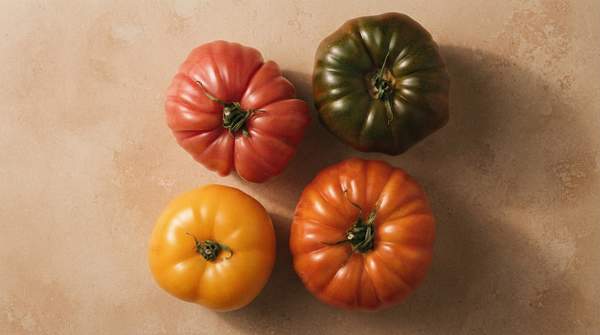
Why don't you see these fruits at the grocery store? Scale is part of the answer. FoodPrint's tomato coverage points out that there are at least 10,000 tomato varieties in the world, yet most supermarkets stock only a handful — beefsteak, grape, cherry, plum. A trip to a farmers' market or specialty grocer, the site notes, is where you glimpse the wider world of flavorful and unique varieties.
Growers themselves think carefully about which of those varieties to bring. Research from Cornell's Small Farms program, based on in-depth interviews with fifteen Massachusetts heirloom tomato growers who sell at farmers' markets, explored how farmers decide which varieties to grow and how they weigh flavor and texture in their marketing decisions. The practical upshot for shoppers: the market stall is where distinctive, hard-to-ship produce concentrates, and where asking the farmer questions is expected.
One caveat before you shop: availability is seasonal and varies by region. Ground cherries tend to appear starting around July, while pawpaws — a related late-summer treat — show up in the Eastern US in late summer and early fall, and you may need to ask around and arrive early because demand is high.